
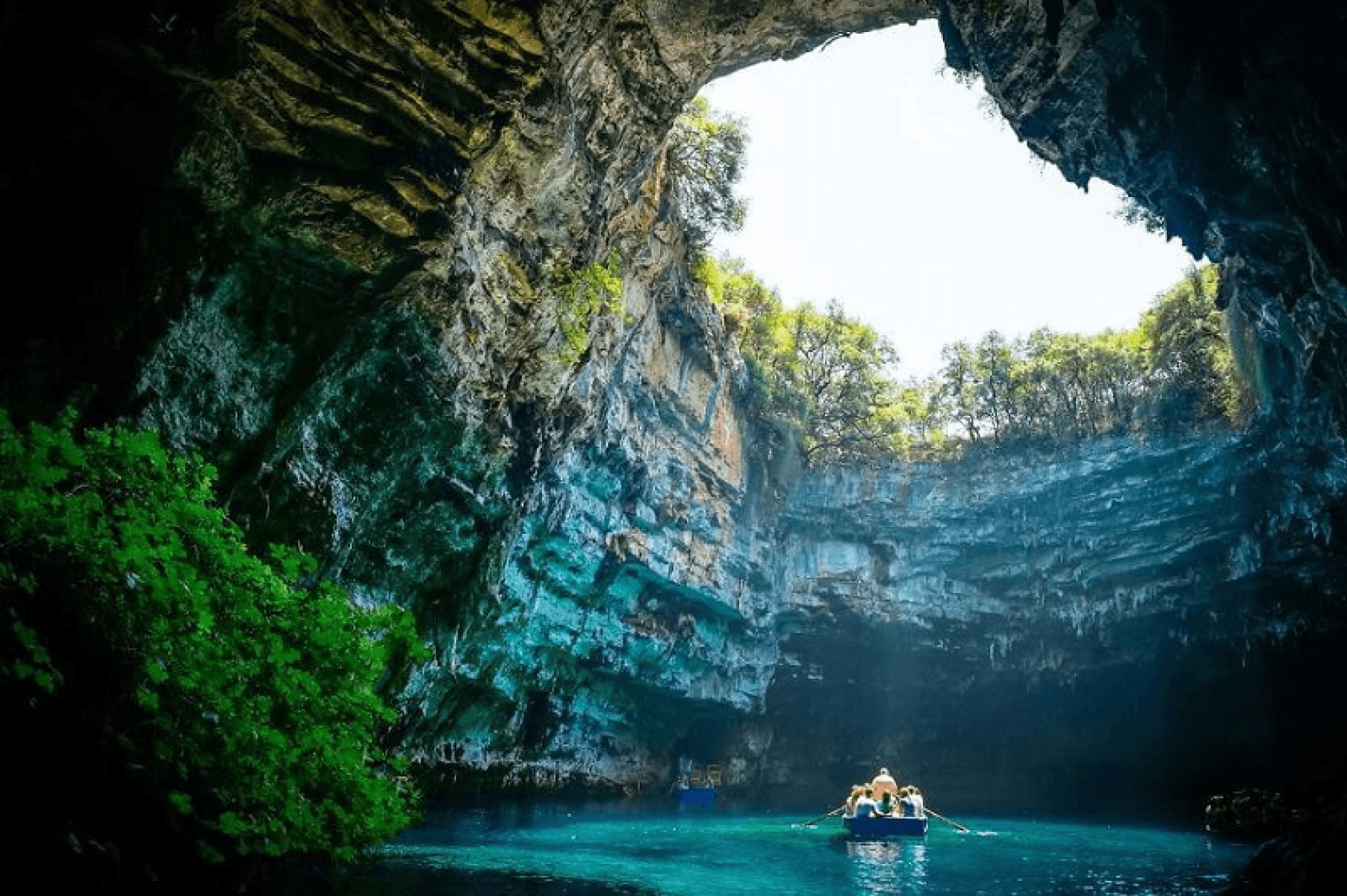
Announcement of 26 new caves in Phong Nha - Kẻ Bàng National Park
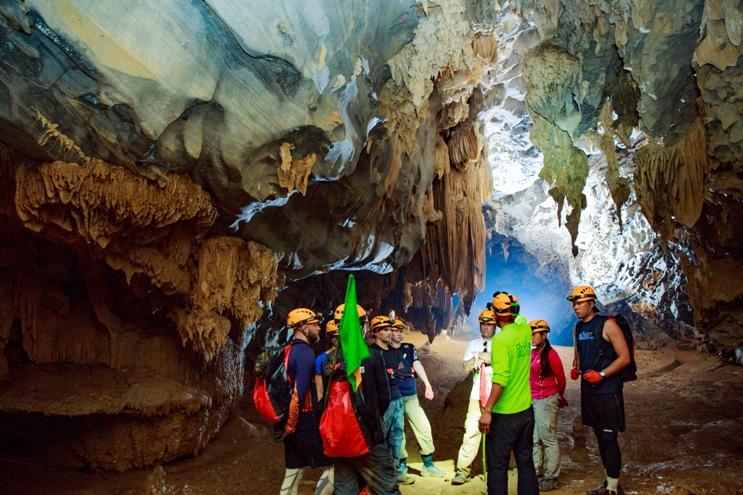
Phong Nha, April 2026 – Phong Nha - Kẻ Bàng National Park, in collaboration with the British Cave Research Association (BCRA), announced the results of the 2026 cave survey expedition, recording 26 new caves along with numerous valuable geological and tourism resources. These discoveries further reaffirm Phong Nha - Kẻ Bàng's position as one of the world's most rich and unique cave systems.
According to the survey results, the expert team discovered 29 caves, including 26 new caves and expanded survey work on 3 previously known caves. The total mapped length reached over 13.6 km, contributing to the database for research, conservation, and sustainable tourism development in the National Park.
The new caves are distributed across several areas within the core zone of Phong Nha - Kẻ Bàng National Park. Many caves feature pristine speleothems, underground rivers, cave lakes, and geological structures of high scientific value. These findings open up opportunities for further research into geological formation processes as well as endemic ecosystems in cave environments.
A representative of the National Park stated that all survey results will be thoroughly evaluated before considering the potential for tourism exploitation. The principle of conservation is always prioritized to ensure natural values remain unaffected by human activity. Only areas that fully meet safety, conservation, and management conditions will be considered for future tourism product development.
Over the years, surveys by Vietnamese and international experts have helped establish Phong Nha - Kẻ Bàng as a renowned destination on the global cave exploration map. Home not only to famous caves such as Phong Nha Cave, Thiên Đường Cave, and Sơn Đoòng, the area still contains many unexplored regions, promising further discoveries in the future.
The announcement of additional new caves holds scientific significance while enhancing the value of the Phong Nha - Kẻ Bàng World Natural Heritage site. It also provides a foundation for local authorities to continue developing conservation, research, and sustainable tourism strategies that balance resource exploitation and environmental preservation.